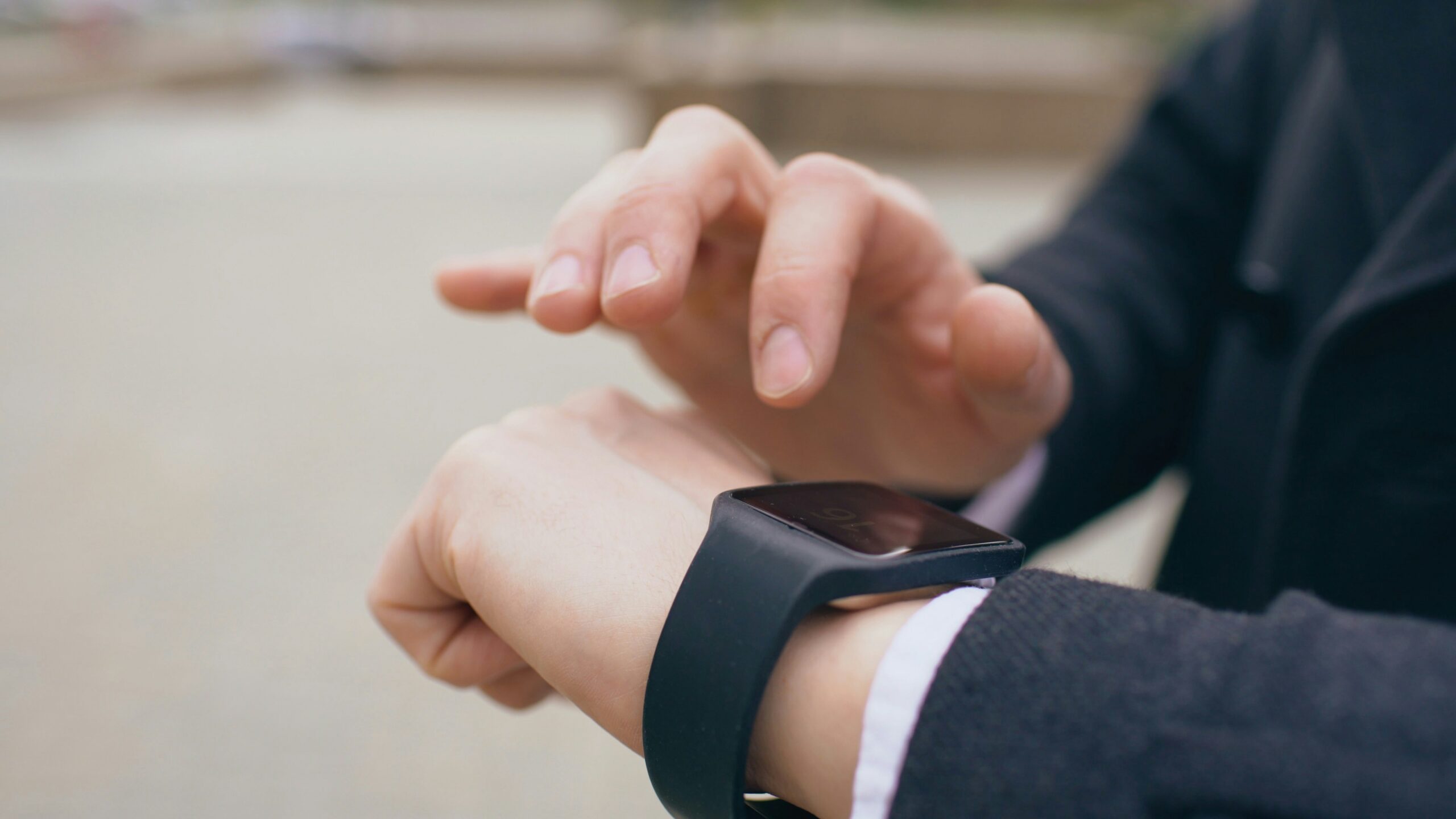
Imagine a world where your smartwatch not only warns you of an irregular heartbeat but also automatically adjusts your investment portfolio’s risk level. Or where your fitness ring, tracking your sleep and stress, negotiates a lower health insurance premium on your behalf. This is no longer speculative fiction. As we move through 2026, the convergence of wearable technology, artificial intelligence, and decentralized data platforms is creating a profound synergy between our physical and financial well-being, ushering in an era of hyper-personalized, proactive management of our most vital assets: our health and our capital.

The Convergence of Two Critical Data Streams
For over a decade, wearables like fitness trackers and smartwatches have been amassing biometric data—heart rate variability, sleep stages, activity levels, and more. Parallel to this, the fintech revolution has digitized our financial behaviors, from daily transactions to investment patterns. The frontier now lies at the intersection of these two data streams. Advanced analytics and AI are decoding the subtle correlations between our physiological state and our financial decision-making, enabling a new class of applications that act as integrated life advisors.
Biometric Authentication and Frictionless Security
The first and most widespread integration is in security. In 2026, biometric authentication via wearables has moved far beyond simple device unlocking. Continuous heart-rate patterns, unique gait analysis, and even electrodermal activity are used for passive, continuous identity verification. This allows for seamless yet supremely secure financial transactions. Authorizing a high-value wire transfer or accessing a private wealth management portal no longer requires a password or a thumbprint; your wearable confirms it’s you simply by being on your wrist. This has drastically reduced fraud and created a new standard for premium digital banking security protocols, which top-tier financial institutions now market as a core differentiator.
Health-Driven Financial Products and Dynamic Pricing
The most transformative impact is in the creation of financial products that dynamically respond to an individual’s health data, with user consent and robust privacy safeguards. This represents a shift from broad demographic pricing to truly individualized risk assessment.
Next-Generation Insurance Underwriting
Life and health insurance providers are at the forefront. In 2026, we see the maturation of “behavioral premium” models. Policyholders who opt-in and share relevant wearable data—demonstrating consistent exercise, healthy sleep patterns, and managed stress—can receive significant premium discounts or enhanced coverage limits in real-time. This is not a yearly discount but a dynamic adjustment. For instance, a month of achieved wellness goals might directly lower the next month’s premium payment. Conversely, these platforms offer proactive nudges, such as: “We’ve noticed a trend of elevated resting heart rate. Completing three mindfulness sessions this week via our partner app will keep your Vitality Score in the optimal range.” This transforms insurance from a passive financial safety net into an active wellness partnership.
How Can Wearable Data Influence Loan and Credit Decisions?
Perhaps more controversially, some forward-thinking bespoke lending institutions and credit unions are beginning to incorporate wellness metrics into holistic creditworthiness assessments for high-value personal loans. The logic, as explained by a fintech data scientist, is that consistent sleep and low stress biomarkers can correlate with cognitive function and reliability. While traditional FICO scores remain paramount, this “biometric supplement” can tip the scales for marginal applicants or unlock better rates for those investing in their health. The ethical and regulatory frameworks are still evolving, but the trend points toward a more holistic, if intrusive, view of financial reliability.
Wealth Management and Cognitive Bias Mitigation
On the investment front, wearable tech is becoming a tool for behavioral finance correction. Sophisticated algorithms now analyze physiological markers of emotional arousal and cognitive load.
- Stress-Triggered Trading Locks: Platforms can detect periods of high stress or poor sleep—conditions known to impair judgment and increase risk aversion or greed. During these windows, the system can temporarily disable the ability to make speculative trades or reallocate core portfolio holdings, instead suggesting a consultation with one’s certified financial planner.
- Personalized Risk Tolerance Calibration: Your stated risk tolerance on a form is one thing. But what does your body’s stress response say during a market downturn? New tools aggregate weeks of biometric data during volatile periods to help advisors and clients collaboratively adjust portfolio risk to levels that are both financially sound and physiologically sustainable, preventing panic-driven decisions.
The Proactive Healthcare Ecosystem and Cost Savings
The healthcare implications are equally revolutionary, moving firmly from diagnostics to continuous, preventative care.
Remote Patient Monitoring at Scale
Medical-grade wearables prescribed by concierge telehealth services and integrated health systems now continuously monitor patients with chronic conditions like hypertension, diabetes, and heart failure. AI detects anomalies—a trend toward atrial fibrillation or a dangerous blood oxygen dip—and alerts both the patient and their care team before a crisis occurs. This prevents costly emergency room visits and hospitalizations, creating direct savings for individuals and insurers. The data also empowers physicians with a comprehensive view of a patient’s health outside the clinic, leading to more effective, personalized treatment plans.
Mental Wellbeing and Financial Performance
Recognizing the direct link between mental and financial health, corporate wellness programs and high-net-worth family offices are deploying advanced wearables that track stress and recovery. These programs are linked to financial coaching, creating a feedback loop where improved sleep and mindfulness practices are shown to correlate with better decision-making in capital allocation and business leadership.
Navigating the Privacy Paradigm
This brave new world rests on a foundation of sensitive data. The success of this revolution hinges on robust privacy frameworks. In 2026, the most trusted platforms operate on principles of data minimalism, user sovereignty, and transparent monetization. Blockchain-based personal data lockers allow individuals to grant granular, time-limited access to specific data streams for specific purposes—sharing sleep data with an insurer but not their geolocation, for instance. The value exchange must be clear, consensual, and equitable.
Key Takeaways for 2026 and Beyond
- Integration is King: The highest-value services are no standalone devices but seamlessly integrated ecosystems linking your health data to financial and healthcare platforms.
- Dynamic Products are the New Standard: Expect more financial products (insurance, loans) with terms that can improve based on verifiable, positive health behaviors.
- Advisor Roles are Evolving: Financial advisors and health professionals must become literate in this data, acting as interpreters and guides for their clients.
- Privacy is a Premium Feature: The platforms that will dominate will be those that offer the highest security, clearest consent models, and most equitable value sharing.
Conclusion: A Holistic Blueprint for Wellbeing
As we stand in 2026, wearable technology has evolved from a simple pedometer to the central node in a sophisticated network managing our holistic wellbeing. It is quietly orchestrating a revolution where a good night’s sleep can tangibly improve your financial health, and sound financial planning can reduce life-shortening stress. This convergence promises a future where our devices don’t just track our lives but actively help us optimize them, creating a virtuous cycle of physical vitality and financial resilience. The challenge and opportunity lie in harnessing this power wisely, ensuring that the quantification of the self ultimately serves to liberate and enhance the human experience it measures.
Photo Credits
Photo by Vitaly Gariev on Unsplash
- The 2026 Blueprint: How Fintech and Mental Wellness Tech Are Forging a Path to True Prosperity – 21/04/2026
- Beyond the Billing Cycle: How FinTech is Revolutionizing Financial Health for Medical Practices in 2026 – 21/04/2026
- The ROI of Wellness: A 2026 Investor’s Guide to the Financial Returns of a Healthy Lifestyle – 21/04/2026

•
Leave a Reply