In the ever-evolving landscape of American healthcare and personal finance, two acronyms have steadily transformed from mere payroll deductions into powerful engines of fiscal resilience: the Health Savings Account (HSA) and the Flexible Spending Account (FSA). As we move through 2026, these vehicles are no longer just about setting aside pre-tax dollars for medical expenses. They have become sophisticated, tech-integrated pillars of a holistic wealth-building and wellness strategy. The convergence of regulatory clarity, fintech innovation, and a consumer demand for seamless digital experiences has ushered in a new era where managing your HSA or FSA is as intuitive as checking your investment portfolio—because, for many, it now is their portfolio’s most tax-advantaged component.

The Foundational Divide: HSA vs. FSA in 2026
Before delving into the digital tools revolutionizing their use, a clear understanding of the core, updated parameters is essential. The distinction remains the critical first step in capital allocation.
The Health Savings Account (HSA): A Triple-Tax-Advantaged Powerhouse
To contribute to an HSA in 2026, you must be enrolled in a High-Deductible Health Plan (HDHP). The IRS-adjusted contribution limits are $4,300 for individuals and $8,550 for families, with an additional $1,000 catch-up contribution for those 55 and older. The HSA’s unique value proposition is its triple tax benefit: contributions are pre-tax (or tax-deductible), growth is tax-free, and withdrawals for qualified medical expenses are tax-free. Crucially, HSA funds roll over indefinitely, allowing the account to function as a stealth retirement savings vehicle. In 2026, the most forward-thinking users treat their HSA not as a spending account, but as a long-term investment account, paying current medical costs out-of-pocket to let their HSA balances compound.
The Flexible Spending Account (FSA): Use-It-or-Lose-It, But with More Flexibility
FSAs are employer-sponsored accounts with a 2026 contribution limit of $3,200. They also use pre-tax dollars for qualified expenses, but operate on a “use-it-or-lose-it” principle, with limited rollover options (typically $640, as per IRS guidelines) or a 2.5-month grace period, depending on the employer’s plan. However, recent years have seen expansion in eligible expenses, including over-the-counter medications, menstrual care products, and certain wellness items without a prescription. The FSA is a tactical tool for known, near-term medical costs, offering immediate tax savings without the long-term investment horizon of an HSA.
The 2026 Tech Stack: Tools That Transform Administration into Strategy
The administrative friction that once plagued these accounts—manual claims, paper receipts, confusing eligibility lists—has been largely eradicated by a suite of integrated technologies. Here’s how the modern ecosystem functions.
Intelligent Account Integration and AI-Powered Eligibility Engines
Gone are the days of cross-refercing PDF lists. Modern HSA/FSA provider platforms now feature real-time, AI-driven eligibility checkers. These tools allow users to scan a product barcode in a pharmacy or search within an integrated e-commerce platform like FSAStore.com or Amazon’s FSA/HSA storefront to receive an instant “eligible” or “ineligible” determination. This seamless integration prevents surprise reimbursement denials and simplifies the shopping experience, effectively turning specialized retailers into one-stop shops for approved products.
Digital Wallet Integration and Instant Payment Solutions
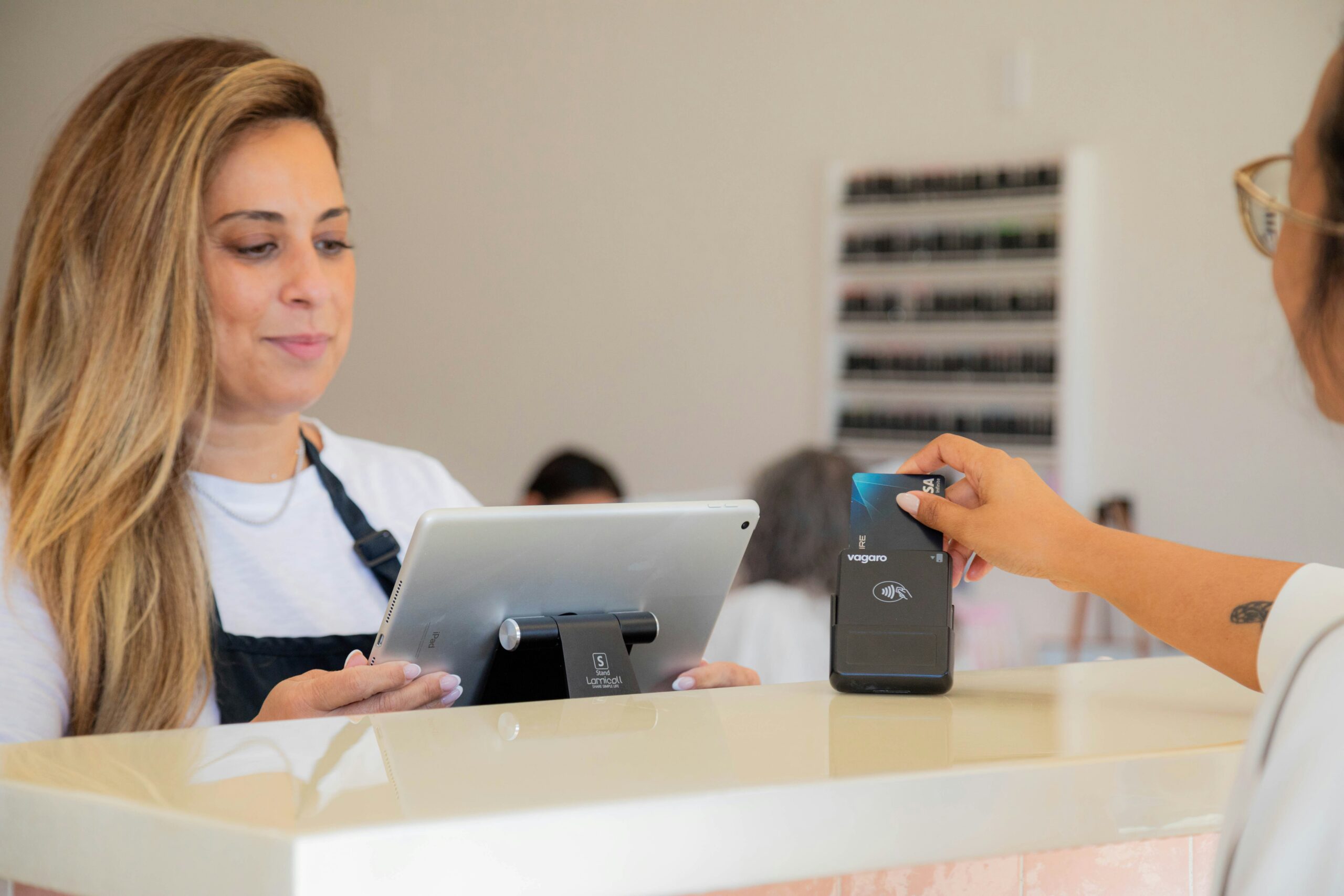
In 2026, your HSA or FSA is likely directly accessible from your digital wallet. Providers now issue virtual and physical debit cards linked to the accounts, often integrated with Apple Pay and Google Pay. At the point of sale—whether at a doctor’s office, hospital, or pharmacy—users can tap to pay directly from their account balance. This eliminates the reimbursement claim cycle for most transactions. Furthermore, real-time balance and transaction alerts prevent declined payments and help with ongoing account stewardship.
Automated Receipt Capture and Compliance Management
The IRS audit trail requirement is now largely hands-off. Leading provider apps use optical character recognition (OCR) to automatically capture, categorize, and store digital receipts from linked email accounts or via photo upload. They then match these receipts to debit card transactions, creating a seamless audit trail. Some platforms, like HealthEquity or Fidelity’s HSA platform, even offer “hands-free” compliance, where the system automatically substantiates transactions from integrated merchants, requiring no user action.
Robo-Advisory and Advanced Investment Platforms for HSAs
For HSAs, the most significant tech advancement is in the investment suite. Once an account balance reaches a certain threshold (often $1,000-$2,000), funds can be invested in mutual funds, ETFs, and model portfolios. In 2026, top-tier HSA providers offer automated robo-advisory services tailored to the account’s unique long-term, tax-free growth objective. Users can set a target asset allocation, and the platform automatically manages the investment mix, treating the HSA with the same strategic gravity as a 401(k) or IRA. Tools for projected medical expense forecasting also help users determine an optimal cash vs. invested balance.
Strategic Implementation: Maximizing Value in Your Financial Portfolio
How does one leverage these tools for maximum effect? The strategy differs by account and life stage.
For the HSA: The Ultimate Retirement Health Fund
The most potent strategy is to maximize contributions, invest aggressively, and pay current medical expenses out-of-pocket if financially feasible. This allows the HSA to grow unimpeded. In 2026, savvy investors use HSA investment platforms to build a diversified portfolio, often with a slightly more aggressive stance than their retirement accounts, given the tax-free withdrawal for future healthcare costs. Keep meticulous digital records of all out-of-pocket medical expenses; you can reimburse yourself from the HSA for these costs at any future date, tax-free, creating a powerful emergency fund option later in life.
For the FSA: Precision Planning with Digital Assistance
Use your plan’s online forecasting tools during open enrollment to estimate annual costs for vision, dental, therapy co-pays, and eligible OTC products. Contribute accordingly to avoid forfeiture. Leverage the integrated e-commerce platforms for predictable purchases (e.g., prescription sunglasses, first-aid supplies, sunscreen). Set calendar reminders for the plan year’s end to spend down any remaining balance on eligible items. In 2026, many employer-sponsored wellness programs are directly integrated with the FSA, allowing for easy spending on eligible wellness initiatives.
Navigating the Complexities: When to Use Which Tool?
A common question for dual-eligible employees is: how to allocate funds? A best-practice approach in 2026 is to:
- Maximize your HSA contribution first, prioritizing its long-term investment potential.
- Then, fund your FSA with a conservative, highly predictable amount for known, planned expenses.
- Use the HSA for unexpected, larger medical costs after your deductible is met, preserving its investment core.
- Utilize the FSA’s “free” tax savings for known, imminent costs, ensuring you don’t lose the funds.
The Future Outlook: Personalized Health Finance
Looking ahead, the integration will only deepen. We are moving toward fully personalized health finance platforms that sync HSA/FSA data with wearable health tech, electronic health records (with permission), and pharmacy data. These platforms could proactively suggest optimal contribution levels, forecast annual medical spending based on personal health metrics, and even recommend eligible wellness products or services tailored to an individual’s health profile. The line between financial wellness and physical wellness will continue to blur, with these accounts serving as the foundational ledger.
Conclusion: From Benefit to Cornerstone
The narrative around HSAs and FSAs has fundamentally shifted. They are no longer obscure benefits buried in an HR portal but are central, dynamic components of a modern financial plan. The tech-enabled tools of 2026 have demystified their management, turning complexity into opportunity. By strategically selecting the right account for your situation, leveraging digital tools for seamless administration, and adopting a long-term investment mindset for your HSA, you can harness unparalleled tax advantages and build a formidable buffer against healthcare costs—one of life’s most significant financial variables. In today’s landscape, informed capital allocation toward these vehicles is not just prudent savings; it’s an act of strategic financial optimization.
Photo Credits
Photo by Vagaro on Unsplash
- The 2026 Blueprint: How Fintech and Mental Wellness Tech Are Forging a Path to True Prosperity – 21/04/2026
- Beyond the Billing Cycle: How FinTech is Revolutionizing Financial Health for Medical Practices in 2026 – 21/04/2026
- The ROI of Wellness: A 2026 Investor’s Guide to the Financial Returns of a Healthy Lifestyle – 21/04/2026

•
Leave a Reply