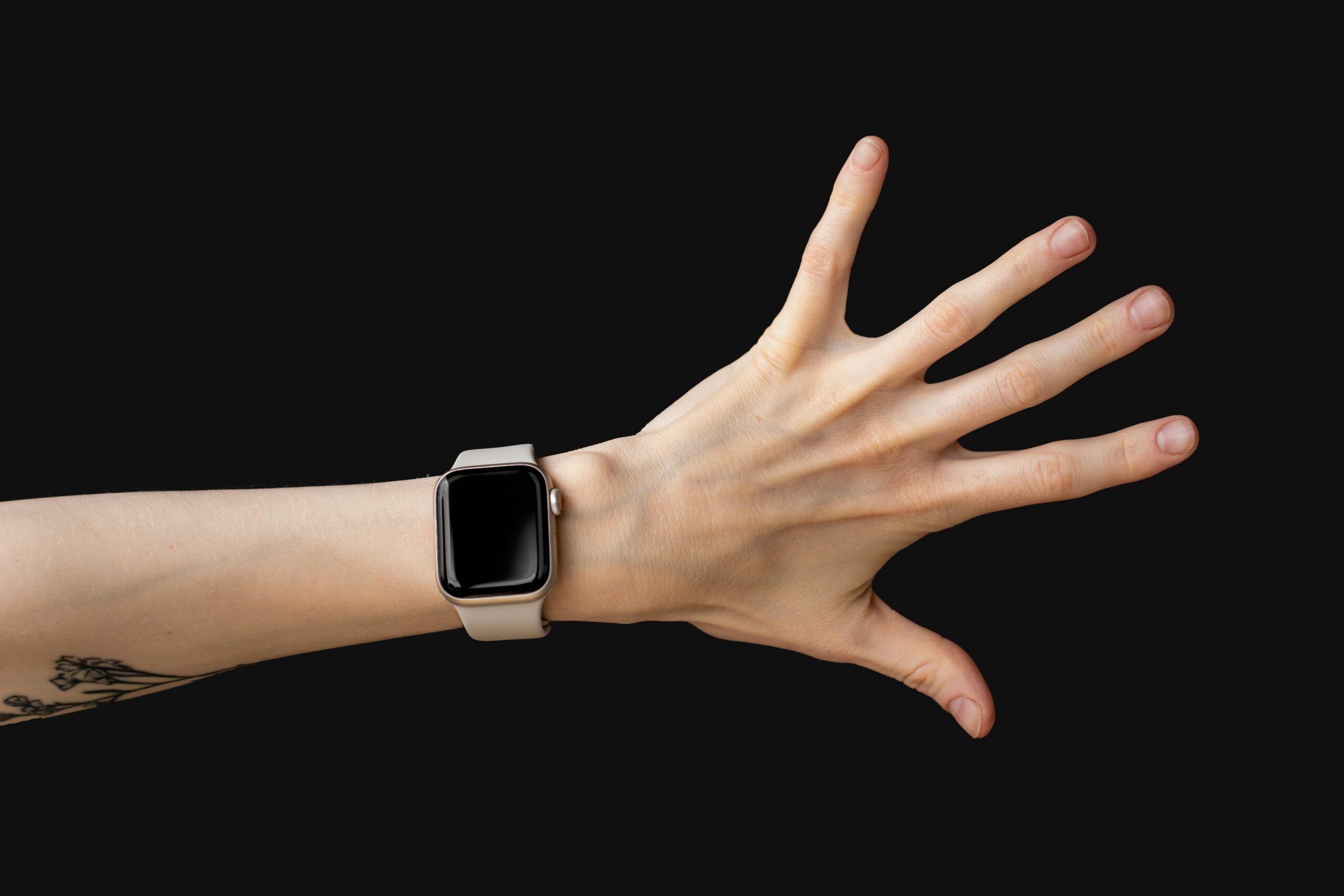
From Wearables to Predictive Biometrics: The Health Frontier
The era of the simple fitness tracker is over. Today’s quantified self health platforms are ecosystems of continuous, clinical-grade data collection. The wristwatch that measures blood pressure and ECG is now commonplace. The frontier lies in non-invasive molecular sensing and predictive health risk stratification.

Beyond Glucose: The Multi-Biomarker Revolution
Continuous glucose monitors (CGMs) paved the way, but 2026’s elite are tracking a symphony of biomarkers. “We’ve moved from reactive healthcare to proactive health optimization,” explains Dr. Anya Sharma, a preventative medicine specialist at the Human Performance Institute. “Clients now use minimally invasive microneedle patches or advanced spectroscopic wearables to monitor not just glucose, but lactate for metabolic efficiency, cortisol for stress load, and even specific cytokines for inflammation—all in real-time.” This data is fed into AI-powered health concierge services that don’t just report numbers, but interpret patterns, suggest micronutrient adjustments, and even predict the onset of suboptimal states before they manifest as fatigue or brain fog.
Sleep Architecture as a Financial Asset
The most significant shift in health optimization is the recognition of sleep as the foundational layer for cognitive and physical capital. Advanced sleep trackers no longer just measure duration; they analyze sleep stages, heart rate variability (HRV) during rest, and even room environment. The data is clear: poor sleep architecture correlates with impaired decision-making and reduced emotional resilience—critical failures in both boardrooms and trading floors. Consequently, investing in bespoke sleep optimization systems, from temperature-regulated bedding to personalized soundscapes, is seen not as an indulgence, but as a non-negotiable capital expenditure on one’s most valuable asset.
Financial Biomarkers: Quantifying Your Economic Physiology
Parallel to the biometric revolution is the application of quantification to personal finance. Here, the “self” being tracked is one’s financial behavior, cash flow, and investment psychology. The goal is to achieve a state of “financial wellness” as measurable as physical fitness.
The Rise of the Unified Financial Dashboard
Gone are the days of logging into eight different banking and brokerage portals. The modern solution is the consolidated wealth management platform that aggregates every financial account—checking, credit, investment, crypto, even asset-backed NFTs—into a single, encrypted interface. These platforms, offered by top-tier digital private wealth advisors, use machine learning to categorize cash flow with frightening accuracy, identify fee leakage, and provide a real-time net worth statement. They answer the critical question: What is your actual financial physiology?
Behavioral Finance Audits and Automated Nudges
The most powerful feature of these platforms is their focus on behavioral economics. “Every spending decision is a data point,” says Michael Thorne, a behavioral data scientist at Vestal Analytics. “Our systems perform a continuous behavioral finance audit, identifying patterns like emotional spending triggers, subscription creep, or risk-aversion during market dips.” The platform then deploys automated, personalized nudges. Instead of a generic budget alert, you might receive: “Your discretionary spending in ‘Boutique Coffee Shops’ is up 40% this month versus your 12-month average. This correlates with your higher stress metrics. Redirect this capital?” This creates a feedback loop where financial and biometric data begin to inform each other.
The Convergence: Where Health Data Informs Financial Strategy
The true breakthrough of 2026 is the deliberate, privacy-conscious integration of health and wealth data streams. This isn’t about sharing your heart rate with your bank; it’s about understanding how your biological state impacts your economic performance, and vice versa.
Biometric-Informed Risk Tolerance Assessment
Progressive high-net-worth financial planning firms are now incorporating anonymized biometric data into their client risk profiling. A period of sustained low HRV and poor sleep quality might signal to an advisor that a client is under physiological stress, making them more prone to loss aversion. The advisor might then suggest temporarily automating investments or shifting to a more conservative tax-loss harvesting strategy to prevent emotionally-driven decisions. The portfolio is dynamically adjusted not just to market conditions, but to the investor’s internal condition.
Optimizing Human Capital Allocation
On a more granular level, individuals are using their own data to make smarter daily decisions about resource allocation. If your cognitive load metrics are low in the afternoon, that’s the time to schedule deep work on complex investment research, not mundane administrative tasks. Seeing a direct correlation between a week of disciplined sleep, morning sunlight exposure, and improved focus during market analysis provides a tangible ROI on health “investments.” This turns self-care into a strategic business practice.
Key Takeaways and the 2026 Toolkit
For those ready to embark on a quantified life, the landscape offers powerful tools. The key is integration and intent.
- Start with a Unified Platform: Choose a comprehensive wealth aggregation tool that prioritizes data security and behavioral insights. Look for features like automated rebalancing and fee analysis.
- Upgrade Your Biometrics: Move beyond basic wearables. Consider devices that offer advanced metrics like HRV, skin temperature, and blood oxygen variability. Pair them with an AI-powered health analytics service for interpretation.
- Conduct a Quarterly Life Audit: Set aside time to review your health and wealth dashboards in tandem. Look for correlations. Did a high-spend vacation lead to better recovery metrics? Did a market downturn disrupt your sleep? Use these insights to adjust both your financial plan and your wellness protocols.
- Prioritize Privacy Architecture: The depth of this data demands military-grade security. Use hardware security keys, ensure your platforms are GDPR++ and CCPA compliant, and never use a service that sells aggregated personal data.
The Ethical Horizon and the Future Self
This deep quantification does not come without profound questions. The potential for data misuse, insurance discrimination, and a hyper-competitive focus on optimization at the expense of spontaneity is real. The most sophisticated practitioners in 2026 understand that the data should serve the human, not the other way around. The goal is not to create a perfectly efficient robot, but a more resilient, aware, and empowered individual.
The future of the Quantified Self lies in predictive synthesis. We are moving from dashboards that tell us what happened to AI co-pilots that suggest what we should do next: “Based on your elevated cortisol and full meeting calendar, I’ve blocked 20 minutes for a walk. Also, your cash position is high; given your calm physiological state today, now may be an optimal time to review that venture capital thesis you flagged.” In 2026, the ultimate luxury is not just wealth or health, but the clarity and agency to optimize both in concert, crafting a life that is not only longer and richer, but more intentionally lived.
Photo Credits
Photo by Anastasiya Badun on Unsplash
- The 2026 Blueprint: How Fintech and Mental Wellness Tech Are Forging a Path to True Prosperity – 21/04/2026
- Beyond the Billing Cycle: How FinTech is Revolutionizing Financial Health for Medical Practices in 2026 – 21/04/2026
- The ROI of Wellness: A 2026 Investor’s Guide to the Financial Returns of a Healthy Lifestyle – 21/04/2026

•
Leave a Reply